
Written by Debbie Anderson, Founder of Beacon4ai
In 2026, "fresh content" is not just an SEO buzzword. It's become a practical visibility protocol for small businesses that want to stay relevant in both traditional search and AI-driven discovery. But freshness alone is not enough. Real impact comes when fresh content is high-quality, strategically planned, and tied to the pages that act as your business signals online.
An Ahrefs study analyzing 17 million AI citations found that AI-surfaced URLs average 25.7% fresher than traditional search results… confirming that freshness is a real signal, not a myth. But that same research makes something else clear: quality and strategy determine whether freshness actually pays off. Get those right, and your website becomes easier for people to trust, easier for search engines to rank, and easier for AI systems to cite.


What "Fresh Content" Really Means
When I mention the word "content", many owners don't quite know what that covers. Let me spell it out. Most think "fresh content" just means blog posts or social updates. In practice, fresh content includes:
Updated service and product pages
Refreshed FAQs and how-to guides
Current pricing, offers, and policies
Accurate location and contact details
Improved internal links and structured data (schema)
These are the pages that customers, search engines, and AI systems use to understand what your business does, who it serves, and why it matters. When those pages are outdated or thin, your visibility and credibility start to erode.

Why Freshness Is a Visibility Signal
In 2026, search is not disappearing; it is evolving. Traditional search (the blue-link results in a Google search) still drives the majority of discovery for many small businesses, but AI-driven answers and summaries are growing fast. In both worlds, freshness works as a signal that a site is maintained and relevant.
Search engines tend to crawl and index (save your pages so they appear in search results) sites that update regularly, especially when those updates add value rather than just noise. AI systems and large language models, which increasingly power AI search answers, also favor sources that are current, specific, and easy to understand.
There is a timeline worth knowing here: AEO (Answer Engine Optimization) research suggests that AI citations can decay in as little as 13 weeks without meaningful content updates. Different AI platforms move at different speeds here: Perplexity operates as a real-time retrieval system and can drop content from citation eligibility within days, while Google AI Overviews move more gradually. This is brief which makes a quarterly refresh cycle a practical necessity, not a nice-to-have. It also means visibility is not something you earn once and keep forever.
But here is the important nuance: publishing frequently means nothing if the content itself is thin, vague, or poorly structured.

Quality Is the Real Multiplier
Freshness opens the door. Quality keeps it open.
A blog post that covers the same surface-level information everyone else is already publishing will rarely rank or be cited over time. On the other hand, a page that has been updated with real data, clearer explanations, and authentic insight… the kind that comes from actual experience, not a template, often keeps earning traffic and trust, even if it is not the newest result.
Authenticity is an underrated win here. AI systems are increasingly trained to reward genuine expertise over generic content, which means your real-world experience and specific knowledge are visibility assets, not just nice-to-haves. There's also a structural reason AI systems favor depth: AI systems automatically include the current year in 28% of sub-queries even when users don't mention it, systematically biasing retrieval toward recently updated content that includes current context. That means a page that is both fresh AND authoritative gets double the retrieval advantage.
In the context of AI search answers, quality becomes even more critical. AI systems are more likely to reference sources that:
Answer specific questions directly near the top of the page
Break down ideas with clear H1/H2/H3 headings, bullet lists, and short paragraphs
Show depth, authentic expertise, and original insight rather than shallow summaries
Every time you update content, ask: "Does this change truly make the page more useful?" If the answer is yes, you are building visibility.
It is also worth knowing that AI engines are getting better at detecting cosmetic updates. Swapping a year in a headline or adding a few synonyms WILL NOT trigger a meaningful re-evaluation. What matters is whether the page actually got more useful. Superficial changes are not a shortcut.

Strategy Matters More Than Publishing Frequency
The biggest mistake small businesses make is treating content like a treadmill: "What if we just publish more?" In 2026, that approach is inefficient and often ineffective. What matters is that every publish counts… meaning it is researched, structured, and built to answer something your audience is actually asking. That is exactly what Beacon4ai's Content Strategy Tool® is designed to produce: not more content, but the right content, done well from the start.
Instead, effective content strategy answers three questions:
What pages matter most to our business? Service pages, product pages, and core "about us" and "contact" pages often drive the most conversions, so they deserve the most frequent review.
What topics are customers actually asking about now? Competitive gaps and changing search intent shift all the time. AI-driven discovery surfaces new questions, and your site needs to answer them clearly. In 2026, effective content strategy runs on two parallel inputs: Google opportunity (search volume, keyword competition, commercial intent) and LLM citation potential (topical depth, credibility signals, recency). Not every piece serves both equally, and knowing which input you're building for before you start changes everything.
How is this content structured and connected? Internal links, topic clusters, and clear headings help both search engines and AI systems understand your site as a coherent whole… not a collection of one-off pages.
Publishing every Tuesday is less important than updating the right pages with the right content at the right time. That is where strategy beats frequency.

A Practical Maintenance Protocol
For small businesses, the best way to think about freshness is as an ongoing maintenance routine… similar to how you would maintain a Google Business Profile or social media account. Here is a simple, repeatable protocol for 2026:
Define your core content assets - Identify the pages with the most impact on visibility and conversions: service pages, product or offering pages, key blog posts that drive traffic, FAQs and how-to pages, and your about, location, and contact pages. These get reviewed first.
Review every 60-90 days - Every 60-90 days, check facts and figures (pricing, hours, policies), search intent changes (are new questions appearing?), page performance (traffic, rankings, engagement), and AI signals (are competitors already being cited for your target queries?).
Update with clear intent - When you refresh a page, focus on what will actually help users and systems: answer the primary question more clearly near the top, add emerging subtopics, improve structure with headings and short paragraphs, and fix or add schema and internal links.
Build topical authority - Link related service pages and blog posts together. Create hub pages that answer broad questions and connect to deeper pieces. Use consistent terminology across the site. Topical authority is what both search engines and AI systems reward over time.

How AI-Driven Discovery Changes the Playbook
Traditional search and AI search are not the same, but they are not enemies either. Many 2026 search experiences blend both: the classic list of links alongside a summary or set of recommendations powered by AI.
To prepare for this world, small businesses should write answer-first content (put the direct answer at the top of key pages), structure for machines (use headings, short paragraphs, and lists so AI can parse pages quickly), and aim to be the obvious authority (original insights and data-backed explanations are more likely to be cited than generic content).
When we run query tests and look at what is ranking and being cited, we see something that surprises many business owners: websites are no longer the default answer. AI systems are just as likely to surface content from social platforms like Facebook and Reddit, YouTube videos, online directories, and Wikipedia as they are from individual business sites.
These platforms act like established content libraries that are easy for AI to access and cite. Your website is not just competing against other websites; it is competing against a broader ecosystem of rich, structured content.
This is exactly the kind of pattern you see in every report from the Content Strategy Tool®: it surfaces which types of content are winning in AI-driven answers and shows where your own site can claim a stronger position by being clearer, more structured, and more current.

What Happens If You Don't Maintain Your Site
If a small business stops maintaining its website, visibility does not disappear overnight. It slowly degrades:
Pages become outdated: prices, policies, and offers no longer match reality.
Competitors and AI answers start to answer the same questions more clearly and quickly.
Search engines and AI systems may still index your pages, but they will prefer fresher, more precise sources when they exist.
A blog post that ranked steadily on Google for three years can quietly fall out of ChatGPT and Perplexity's citation pool inside a single quarter and most business owners never see it happen because their Google rankings look unchanged.
The result is a gradual shift in how customers discover your business. Over time, your own site may be treated as a secondary or outdated reference instead of the primary source of truth.
This is why "set and forget" websites no longer work in 2026. Online presence is an active asset, not a one-time project.

Why a Content Strategy Tool Like Beacon4ai Exists
Small businesses know they need fresh, high-quality content, but they don't know where to start, what to prioritize, or how to do it efficiently. That is exactly the problem Beacon4ai's Content Strategy Tool® is designed to solve.
This is not another content writer. It is a system that helps small businesses:
Find competitive gaps using real SERP and AI prompt data — see which questions customers are asking and which topics competitors are missing.
Prioritize the pages that matter most — focus on the content that impacts visibility and conversions, not random blog posts.
Create answer-focused, structured content — build pages that support both traditional rankings and AI-driven discovery from the outset.
Turn maintenance into a repeatable protocol — follow a clear rhythm of review, refresh, and reinforce without feeling overwhelmed.
For small business owners and their marketing teams, the Content Strategy Tool® is the quiet answer to the question: "How do we keep our website visible and useful in 2026 without turning content into a full-time job?"
Frequently Asked Questions
What counts as "fresh content" for a small business website? Fresh content is not limited to new blog posts. It includes any meaningful update to existing pages… revised service descriptions, updated pricing, refreshed FAQs, corrected contact details, added schema markup, or improved internal links. The common thread is that the update makes the page more accurate and more useful.
How often should a small business update its website content? A 60-90 day review cycle is realistic for most small teams. Core pages (services, location, contact) should be checked every quarter at minimum. High-performing blog posts are worth refreshing whenever new data, questions, or search trends emerge.
Does publishing more blog posts improve AI search visibility? Not on its own. AI systems favor sources that are structured, specific, and authoritative. A smaller number of well-maintained, clearly structured pages will typically outperform a high volume of thin or repetitive posts. Quality and strategy matter more than publishing frequency.
What is the difference between freshness and quality in content strategy? Freshness signals that a page is actively maintained and current. Quality signals that a page is genuinely useful, structured, and trustworthy. You need both: freshness gets AI systems to re-evaluate your content, and quality determines whether that re-evaluation results in a citation or a ranking.
Final Takeaway
Fresh content does matter, but its value depends on three things: accuracy, usefulness, and strategy.
In 2026, the winning approach is not to publish more just to appear active. It is to maintain a focused, structured content system that stays current, answers real questions clearly, and prepares your business for both traditional search and AI-driven discovery.
When you organize your website this way, freshness becomes a signal of active stewardship — not a marketing trick. It becomes part of the standard operating protocol for online visibility.
_____________________________
If you want to stop guessing what to publish next, Beacon4ai's Content Strategy Tool® researches your topic, surfaces the questions your customers are actually asking, and builds a complete, AI-optimized article in 120 seconds. It exists for one reason: to turn fresh content from a guessing game into a smart visibility strategy.
Related in this Topic

How Fresh Content Impacts Your Website's Performance in AI Search Systems
Does Blogging Actually Help Your Business Show Up in AI Search? Here’s What You Need to Know
How to Optimize Your Blog Posts for AI Search Visibility: Getting Featured in Google AI Overviews, ChatGPT, and Perplexity

How to Audit Your Website Content for AI Visibility (A Practical 2026 Guide for Business Owners)
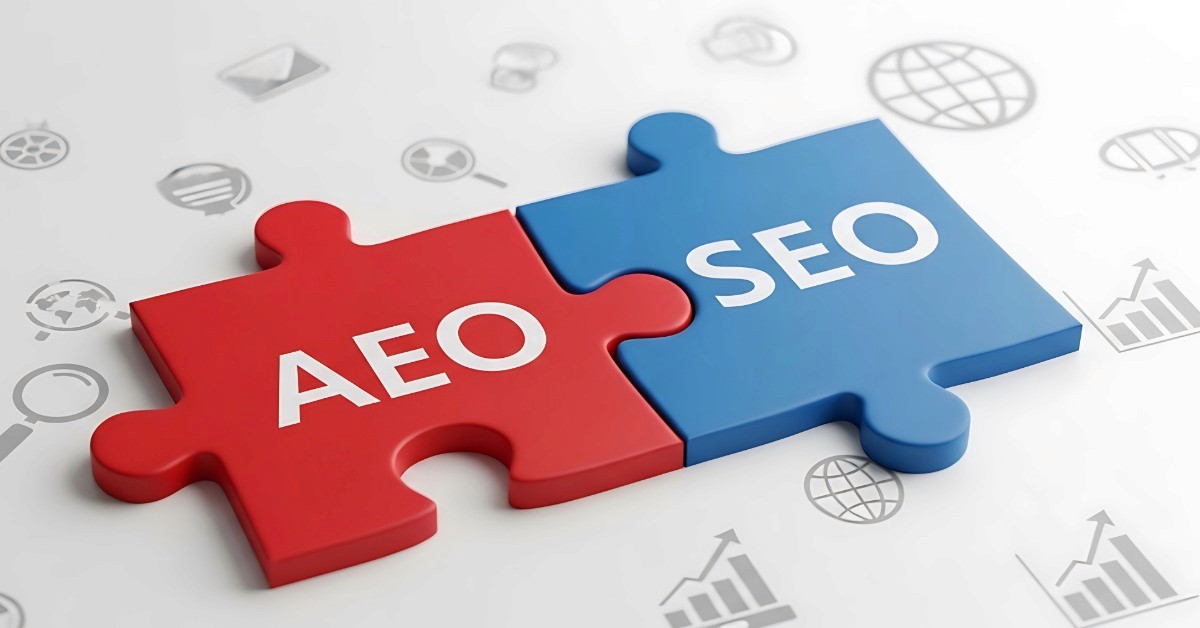
SEO vs AEO: What They Are, How They Differ, and Which One Your Content Actually Needs