
Written by Debbie Anderson, Founder of Beacon4ai
AI-powered search is changing how customers find businesses... and it's happening fast. AI referrals to websites jumped 357% in a single year, and tools like ChatGPT now have over 800 million weekly users. If that sounds like a lot to keep up with, here's the good news: your blog posts are still one of your most powerful tools for getting discovered by these AI systems. In fact, as of February 10, 2026, Bing Webmaster Tools is now offering the first AI citation tracking dashboard. It's a huge validator for the importance of having well-structured content on your website.
Here's how to make sure your content is working for you.

Understanding How AI Search Systems Work
AI search engines like Google's AI Overviews, ChatGPT, Perplexity, Gemini, and Claude don't just crawl and index content the same way traditional search engines do. They're looking for comprehensive, well-structured information that directly answers specific questions. When someone asks these systems a question, they scan through millions of sources to find the most relevant, authoritative content to synthesize into their response. And it's going further — AI agents are now shopping on behalf of consumers, making structured content the difference between getting recommended and getting skipped.
You might hear this called Generative Engine Optimization (GEO) or Answer Engine Optimization (AEO). Don't worry about the acronyms. The basic idea is simple: you want your content to be so clear and helpful that AI systems choose to cite you when someone asks a question related to your business. The strategies for making that happen build on the same good content habits you may already be practicing. Before diving into optimization, it's worth running an AI visibility audit on your website to confirm bots can access your content and your technical foundation is solid.
Your blog posts need to be written with this in mind. Instead of optimizing for keywords alone, you're optimizing for context, clarity, and comprehensive coverage of topics. AI systems favor content that provides complete, well-sourced answers.
Want a deeper look at what AEO means for your business? Read our small business guide to Answer Engine Optimization.
Content Structure That AI Systems Love
Write with Clear Hierarchical Information
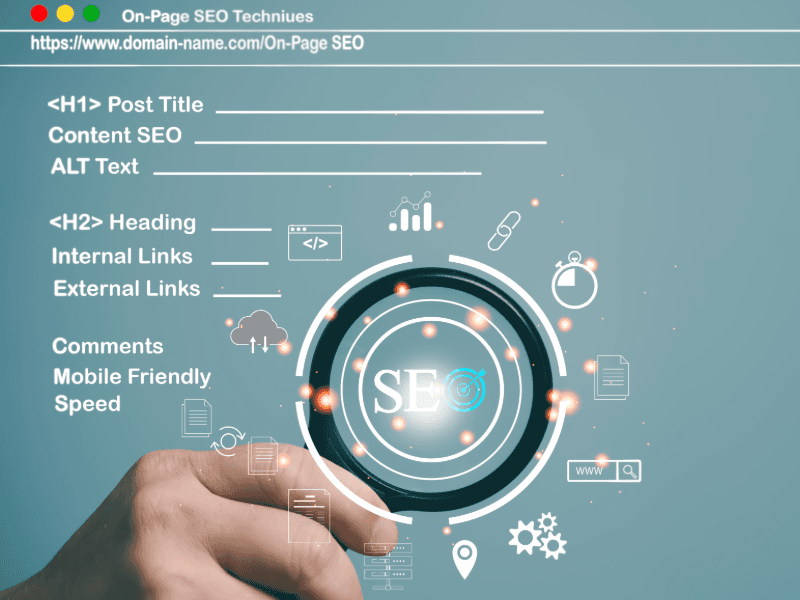
AI systems excel at understanding well-organized content. Structure your blog posts with clear headings (H1, H2, H3) that create a logical flow. Each section should build on the previous one, creating a comprehensive resource on your topic.
Start each blog post with a brief overview of what you'll cover, then dive into specific sections that each address a distinct aspect of the main topic. This helps AI systems understand the scope and depth of your content. Think of it like creating a table of contents that AI can scan in seconds.
Use Question-Based Headings
Many AI searches are conversational queries, so structure your content around the actual questions your audience or potential customer asks. Instead of "SEO Best Practices," try "What Are the Most Effective SEO Strategies for Small Businesses?" This approach makes it easier for AI systems to match your content to user searches.
For example, if you're a plumber, a heading like "What Should I Do When a Pipe Bursts?" matches exactly how someone would ask ChatGPT for help.
Include Comprehensive Coverage
Don't just skim the surface of a topic. AI systems favor content that thoroughly explores a subject from multiple angles. If you're writing about local marketing strategies, cover both online and offline approaches, discuss different business types, and address common challenges and solutions. Connecting your posts with a strong internal linking strategy also helps AI systems see the full breadth of your expertise.

Creating AI-Friendly Content Formats
The Power of Lists and Step-by-Step Guides
AI systems frequently pull from well-organized lists and sequential information when generating responses. Structure important information as:
Numbered steps for processes or tutorials
Bullet points for tips, features, or key takeaways
Checklists your readers can act on right away
Step-by-step guides show up consistently in Google's AI Overviews because they give complete, actionable answers.
Tables and Comparison Content
When you can present information in table format... comparing services, listing features, or showing before-and-after scenarios... do it. AI systems can easily parse this structured data and often feature it prominently in their responses. A bakery could create a comparison table of cake options by size, servings, and price. That's exactly the kind of structured information AI loves to pull from.
Include Specific Examples and Case Studies
Generic advice doesn't stand out to AI systems. Include specific examples, real scenarios, and data points that illustrate your points. Be sure to create links to your case studies or portfolio page. This contextual information helps AI systems understand practical applications of your advice.
Optimizing for Featured Snippets and AI Citations
Answer Questions Directly and Immediately
When you pose a question in a heading, answer it clearly in the first sentence or two of that section. Don't make readers (or AI systems) hunt for the actual answer buried in paragraphs of background information.
For a deeper dive into structuring Q&A content that AI extracts and trusts, see our FAQ optimization guide.
Use Natural Language and Conversational Tone
AI systems are trained on conversational data, so content that sounds natural and helpful performs better than overly formal or keyword-stuffed writing. Write like you're explaining something to a colleague or friend. People aren't typing choppy keywords into ChatGPT. They're asking full questions like, "How do I fix a flat on the rear back tire of my mountain bike?" Your content should match that natural style.
Include Supporting Evidence and Sources
While you shouldn't link to competitors, linking to authoritative sources like industry studies, government websites, or well-known publications helps establish your content's credibility. AI systems consider this when determining which sources to feature or cite.

Technical Optimization for AI Visibility
Schema Markup and Structured Data
Schema markup is one of the most underused tools for getting found by AI. Think of it as a label on your content that helps AI systems read your page faster and more accurately. Research shows content with schema markup gets 30-40% more AI visibility.
The most helpful types for blog content include:
Article schema... tells AI this is a blog post, who wrote it, and when
FAQ schema... makes your questions and answers directly extractable
LocalBusiness schema... connects your content to your business location
HowTo schema... perfect for step-by-step content
You don't need to be technical to add it. Most websites in the US are Wordpress sites which include Yoast, an SEO and Schema tool which will generate the schema for your blog post. Free tools like Google's Structured Data Markup Helper can also generate the code for you. This is a bit more technical, but if you have a web professional, have a conversation with them about how best to integrate this into your website.
For more info about schema, check out this article.
Mobile-First Content Design
AI systems prioritize content that's accessible and well-formatted across all devices. Ensure your blog posts are easy to read on mobile devices with proper spacing, readable fonts, and logical content flow.
Page Speed and Technical Performance
Slow-loading pages are less likely to be crawled thoroughly by AI systems. Optimize your blog posts for fast loading times, especially on mobile devices.
How to check: Go to pagespeed.web.dev, paste in your webpage URL address, and hit analyze. It gives you a score from 0-100 for both mobile and desktop.
What the scores mean:
90-100: You're in great shape
50-89: There's room to improve
Below 50: This is likely hurting you

Content Topics That Perform Well in AI Search
How-To and Tutorial Content
Step-by-step guides consistently perform well because they provide the comprehensive, actionable information that AI systems want to feature. Focus on creating detailed tutorials related to your industry expertise. A yoga studio writing "How to Start a Home Yoga Practice" is exactly the kind of content ChatGPT recommends when someone asks for beginner advice.
Problem-Solution Content
AI searches often start with someone trying to solve a specific problem. Create blog posts that clearly identify common problems in your industry and provide detailed solutions. Be sure to link to your services page that relates to solving these problems.
Comparison and "Best Of" Content
When people ask AI systems like Chatgpt or Perplexity for recommendations, they often pull from well-researched comparison content. Create posts that compare different approaches, tools, or strategies within your area of expertise.

Measuring Your AI Search Performance
Tracking AI search performance isn't as straightforward as checking your Google rankings yet. But there are some practical things you can do right now.
Search for yourself regularly
Open ChatGPT, Perplexity, and Google's AI Overview and ask 5-10 questions your customers would actually ask. See if your business shows up. Do this at least once a month because AI results change frequently. This is the single most useful thing you can do right now. For a full breakdown of what AI systems actually evaluate, see our guide to the 15 AI visibility metrics.
Pay extra attention to Perplexity
Perplexity is the easiest platform to check because it shows clickable source links right in its answers. If your website is being cited, you'll see it clearly. It also sends trackable traffic to your site.
Watch for indirect signals
If AI tools are recommending your business, you may notice an increase in people searching for your business name directly in Google. Keep an eye on your branded search traffic in Google Search Console... a steady uptick can be a sign that AI visibility is working.
A few other easy steps:
Add a "How did you find us?" option on your contact form that includes AI tools like ChatGPT and Perplexity
Check in on this monthly... AI visibility is growing fast and the results will change
*For a more complete picture of how your entire site is set up for AI, run through this AI visibility audit. It covers technical access, content structure, and authority signals across your whole website, not just your blog posts.
Frequently Asked Questions
How long should blog posts be for AI optimization?
Aim for 1,500 words or more for comprehensive topics. There's no magic number, but comprehensive posts that thoroughly cover a topic tend to perform better than shorter pieces. Focus on completeness rather than hitting a specific word count.
Do I need to write differently for different AI systems?
The core principles are the same across platforms... clear structure, comprehensive coverage, and natural language. Focus on creating the best possible content for your audience rather than trying to game specific systems. What works for one AI platform tends to work for all of them.
How often should I publish blog posts for AI visibility?
Consistency matters more than frequency. It's better to publish one high-quality, comprehensive post per month than four shallow posts. Don't forget to update your existing posts too... refreshing older content with current information can be just as effective as publishing something brand new.
Can I optimize existing blog posts for AI search?
Absolutely, and this is one of your fastest wins. Review your existing content and add more comprehensive coverage, improve the structure with better headings, and ensure you're directly answering the questions your audience asks. Update any outdated stats and consider adding FAQ schema. You can significantly improve AI visibility without starting from scratch.
How do I know if my content is being featured in AI responses?
The most reliable way is to search for yourself. Open ChatGPT, Perplexity, and Google's AI Overview and ask the kinds of questions your customers would ask. Perplexity is especially useful because it shows clickable source links right in its answers, so you can see clearly if your site is being cited. Make this a monthly habit... AI results change frequently, so checking regularly gives you the best picture of where you stand.
——————————————
Your customers are already asking AI for help. Is AI recommending you... or your competitors? Beacon4ai's Content Strategy Tool generates AI-optimized content frameworks in 60 seconds, giving you the structure, keywords, and schema code you need to get found. Try it for Free.